Loading...
Serving Mill Valley, CA and surrounding areas. (628) 257-3534
You have a new build, an ADU, or a structure on bare ground and need a concrete base that holds up through wet winters, clay soil movement, and Bay Area seismic conditions. We build slab foundations on Mill Valley lots with all permits handled.
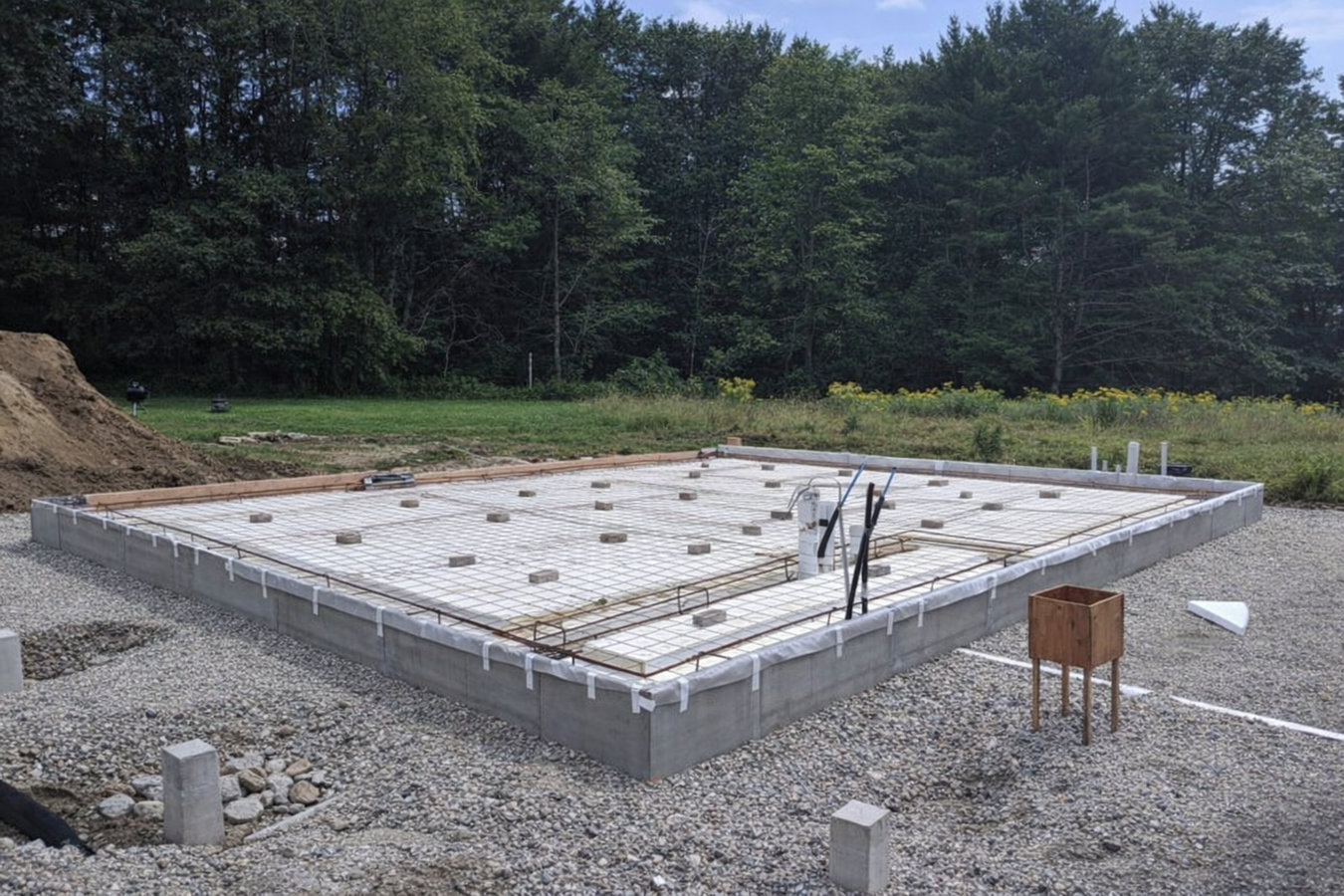
Slab foundation building in Mill Valley involves grading and compacting the ground, laying a gravel drainage bed, installing steel reinforcement for seismic loads, and pouring a single continuous layer of concrete that serves as both floor and structural base - most residential slabs take three to seven days of active construction, followed by a 28-day curing period before the structure above can be framed.
In Mill Valley, a slab is more than a flat pour. Marin County's clay-heavy soils expand when wet and contract in dry summers, which means the subgrade preparation and reinforcement design matter as much as the concrete mix. The wet season from November through April creates a narrow window for pours, and City of Mill Valley building permits add weeks to the schedule that homeowners often do not plan for. If your project includes a new structure sitting on top of the slab, the foundation work often ties directly to foundation installation decisions about footing depth and waterproofing.
A well-built slab in Mill Valley should stay level and crack-free through multiple wet seasons. The most common cause of early failure is rushed subgrade preparation, not the concrete itself. Getting a soil assessment before the design is finalized is the single most cost-effective step a homeowner can take before committing to a contractor.
The clearest sign is a project that needs a structural base where none exists, such as a new home, an ADU, a garage, or a large addition. In Mill Valley, backyard ADU projects have grown significantly since California expanded the rules allowing them, and a slab foundation is almost always the first step before framing begins.
Cracks wider than a quarter inch, or spots where one section of floor sits noticeably higher or lower than the next, signal that the slab may have failed structurally. This is more common in Mill Valley than in flatter areas because the clay-heavy soils here shift with the seasons, putting ongoing stress on older slabs built before current standards.
When a foundation shifts or settles unevenly, the house frame moves with it, and doors and windows that used to open smoothly start to bind or stick. If this happens in multiple places after a wet winter, it is worth having a contractor look at the foundation before assuming the issue is only with the doors themselves.
Mill Valley's wet winters and clay soils mean water does not always drain away from foundations the way it should. If you see standing water near the base of your home after rain, or if floors feel damp or have a musty smell, moisture may be getting through or around the existing slab. A new slab with proper drainage and a moisture barrier solves this permanently.
Every slab project starts with the site conditions, not a standard package. The slope of your lot, what the soil report says, what will be built on top of the slab, and how tight the truck access is all shape the design and the cost. We scope each job individually because a slab for a flat Tam Valley ADU and a slab for a hillside workshop above downtown Mill Valley are genuinely different projects.
For new residential builds and ADUs, we handle the full sequence from permit application through final inspection. For replacement slabs where an old one has failed, we include demolition, removal, and disposal of the existing concrete before preparing the subgrade. In both cases, a moisture barrier and drainage layer go in before the pour because Mill Valley's rainfall pattern makes these details non-negotiable, not optional. When the slab is part of a larger structural project, it often connects to concrete footings and perimeter work that we can scope together to reduce mobilization costs.
The California seismic requirements for Mill Valley mean every slab we design includes more steel reinforcement than you would see in a flat, lower-risk market. Deeper edge footings and closer rebar spacing add cost but protect your structure from ground movement. This is built into every permit-required project in this area, and we include it as standard rather than treating it as an upgrade.
Best for new homes, detached garages, or major additions that need a structural base poured on prepared, compacted ground.
Suited to homeowners adding a backyard accessory dwelling unit on bare ground, including permit coordination with the City of Mill Valley.
For properties with an existing slab that has cracked, settled, or failed structurally and can no longer serve as a reliable base.
For older outbuildings on bare dirt or rotted wood piers that need a proper concrete base before conversion or renovation.
Mill Valley sits at the base of Mount Tamalpais in southern Marin County, and its terrain shapes everything about concrete foundation work here. Steep hillside lots, narrow access roads, and dense tree canopy mean setup takes longer and equipment options are limited. The city averages close to 50 inches of rain per year, nearly all of it falling between November and April, which compresses the practical pouring window into roughly six months. Contractors who have not worked in Mill Valley underestimate these logistics every time.
The soils in Mill Valley vary between the hillside neighborhoods and the flatter valley floor near downtown. Hillside properties near Mill Valley and Tiburon often sit on decomposed rock and clay combinations that require deeper footings than the county average. Properties closer to sea level in Sausalito and lower Mill Valley can have fill soils with less predictable bearing capacity, making a soil report especially important before finalizing the design.
The Mill Valley Building Division is thorough, and the permit review process for foundation work reflects that. Projects near creeks, in mapped landslide zones, or in the wildland-urban interface can trigger additional environmental review. A contractor who has navigated the local process before can give you a realistic permitting timeline from the first site visit rather than discovering delays after you have already committed to a construction schedule. The City of Mill Valley Building Division publishes permit requirements and typical review timelines for homeowners starting to plan foundation work.
We visit your property before quoting. In Mill Valley, soil conditions, lot slope, and equipment access all affect the price significantly, and a phone estimate misses those details.
After you approve the estimate, we apply for the building permit from the City of Mill Valley on your behalf. Plan for several weeks to a couple of months of review time depending on your project scope.
We excavate and grade the area, compact the soil, lay a gravel drainage base, install steel reinforcement, and set up the wooden forms that shape the slab. A city inspector checks the reinforcement before the pour is approved.
On pour day the concrete truck arrives, we fill the forms, level and finish the surface, and begin the cure. You can usually walk on it within a day or two. A final city inspection closes the permit before we hand off the site.
We visit every site before quoting. No obligation, no phone estimates - just a written breakdown based on your actual lot conditions.
(628) 257-3534We hold a California C-8 Concrete Contractor license and full liability insurance on every project. You can verify our license status on the CSLB website in under a minute before you commit to anything.
We work across 12 cities from Mill Valley to San Francisco and have pulled permits in Marin County many times. We know what the City of Mill Valley's reviewers look for and can give you a realistic permit timeline from day one.
Every slab we build accounts for Mill Valley's proximity to the San Andreas and Hayward faults and the area's expansive clay soils. We do not copy flat-ground designs onto hillside lots.
We install a vapor barrier and drainage measures on every slab. Mill Valley's wet winters and clay ground make this the difference between a floor that stays dry and one that develops moisture problems within a few years.
Building a slab foundation in Mill Valley is not a job that tolerates shortcuts. The city's permit process, the seismic requirements, and the local soil conditions all demand a contractor who has done this work in this specific area. We have, and we give every homeowner a straight answer about what their project actually requires before any money changes hands. Learn more about concrete foundation standards from the American Concrete Institute.
Full residential foundation installation for new builds and major replacements on Mill Valley's hillside and valley-floor lots.
Learn moreReinforced concrete footings for decks, retaining walls, and structural columns built to California seismic standards.
Learn moreOur dry-season calendar fills up fast - reach out now to schedule your site visit and get a written estimate before the spring rush begins.