Loading...
Serving Mill Valley, CA and surrounding areas. (628) 257-3534
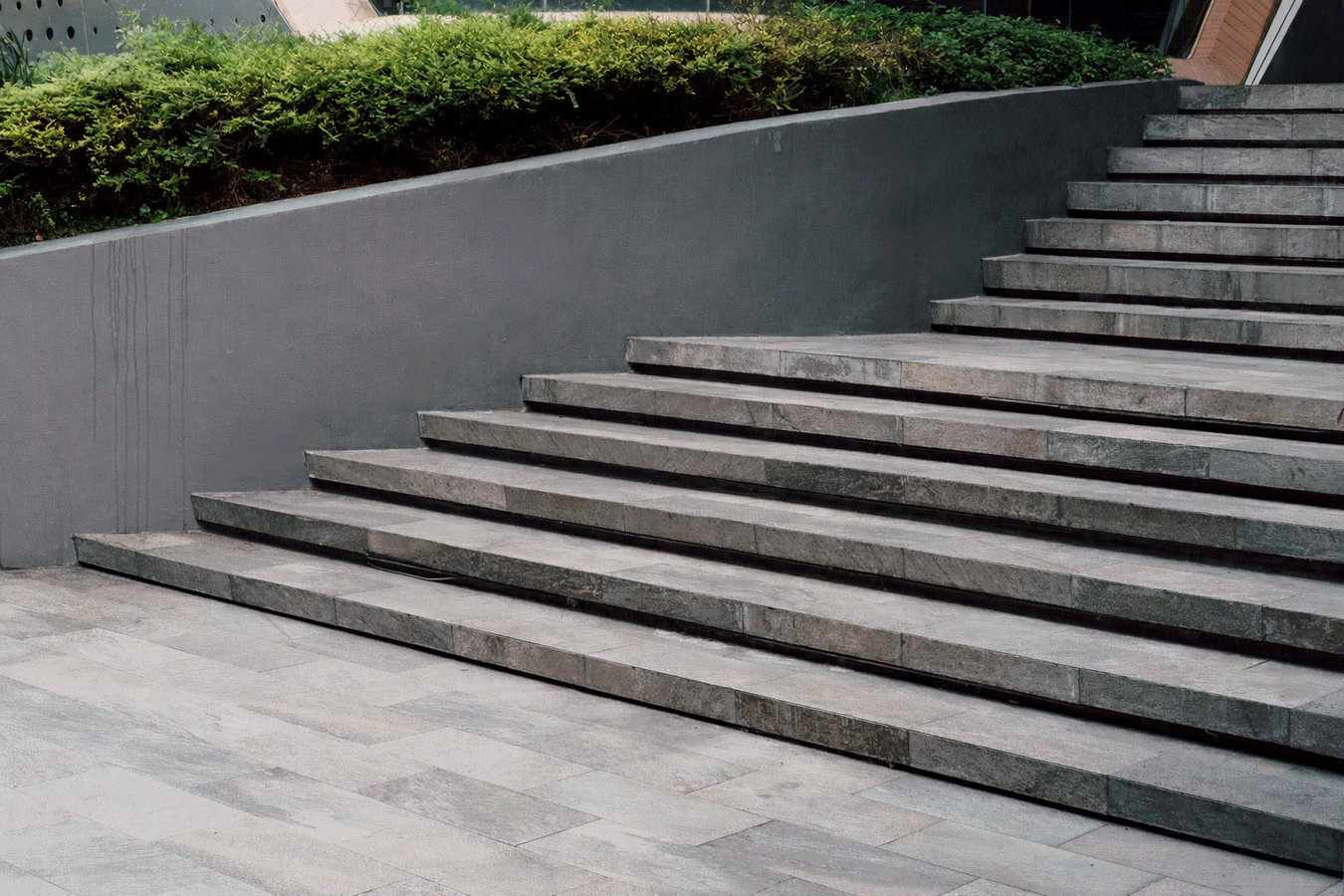
Your old front steps are crumbling, tilting, or slippery in the rain. We build concrete steps designed for Mill Valley's slopes and wet winters, with proper footings, reinforcement, and all permits handled.
Concrete steps construction in Mill Valley means excavating the area, building wood forms to the correct dimensions, placing steel reinforcement, pouring and finishing concrete with a slip-resistant texture, and obtaining the required City of Mill Valley permit - most residential step projects take one to three days of active work, with light foot traffic possible within a few days of the pour.
Mill Valley's hillside lots add complexity that flat-terrain step work does not have. The slope changes how forms are built and how much base material is needed to create a stable footing. The clay-heavy soils common in Marin County shift with the seasons, and steps poured without accounting for that movement develop cracks and tilt within a few years. If you are also replacing the walkway that your new steps connect to, concrete sidewalk building can be scoped in the same project to reduce mobilization costs and keep the grade consistent from the street to your door.
A well-built concrete staircase in Mill Valley can last 50 years or more with minimal maintenance. The biggest threats to longevity here are unstable base preparation, missing steel reinforcement, and poor drainage at the base of the steps. We address all three before any concrete is poured.
If the corners or edges of your steps are breaking off in chunks or flaking in thin layers, the concrete has started to deteriorate from the inside out. This is especially common on older Mill Valley homes where original steps are 40 to 60 years old. Patching buys a little time, but once flaking is widespread, replacement is the more cost-effective choice.
If your steps no longer sit level, or the whole staircase leans to one side, the soil underneath has moved. On Mill Valley's sloped lots, rain-saturated clay soils shift over the years. Tilted steps are a tripping hazard that will not fix itself, and the underlying soil problem must be addressed when new steps are poured.
A hairline crack here or there is normal aging. But cracks that run all the way across a step, or that are wide enough to catch a finger, mean structural integrity is compromised. These cracks let water in, which accelerates damage through Mill Valley's wet winters as moisture works its way deeper into the concrete with each storm.
If a puddle forms at the bottom of your steps after a rainstorm, water is not draining away from the base. Over time, standing water softens the soil and causes steps to sink or crack. In Mill Valley's rainy winters, this cycle repeats every season and compounds the damage quickly if the drainage grade is not corrected.
Whether you are replacing a crumbling staircase or building one for the first time, the approach starts the same way: a site visit to understand your grade, your access path, and what the soil looks like underneath the existing surface. Every project includes proper excavation, a compacted base or gravel layer where needed, steel reinforcement inside the forms, and a surface finish chosen for both appearance and wet-weather grip.
For properties where the staircase is part of a larger hillside structure, we also build concrete retaining walls that work alongside new steps to manage slope and soil movement in a coordinated way. Doing both in one mobilization is more efficient and produces a finished result that looks and performs as a unified system.
The right choice when existing steps have shifted, crumbled extensively, or the base needs to be rebuilt from scratch.
For properties adding a staircase for the first time - designed specifically for your grade, access path, and entry configuration.
The most practical choice for wet-weather traction - a slightly textured surface that grips shoes reliably on rainy Marin mornings.
A naturally textured finish with small stones visible in the surface - provides excellent grip and a look that suits many Mill Valley homes.
Most homes in Mill Valley sit on sloped terrain carved into the hillsides of southern Marin County. Steps here often need to span a significant elevation change between a front door and the walkway below, and the forming and base work required on a steep lot is more involved than what a flat-terrain job demands. A contractor who does not build in enough footing depth on a hillside lot will produce steps that shift or tilt within a few rainy seasons. The American Concrete Institute sets the standards for reinforcement and base preparation that define what well-built concrete steps should look like, and we follow them on every job.
Mill Valley receives close to 47 inches of rain per year, nearly all of it between November and March. Concrete poured in wet conditions cures poorly and can have a weakened surface that flakes and deteriorates faster than it should. We schedule pours during dry windows and watch the forecast closely, rescheduling when needed rather than pouring in conditions that compromise the finished steps. The City of Mill Valley Building Division requires permits for this work, and pulling that permit is part of every project we take on.
We build concrete steps throughout Marin County, including properties in Larkspur, San Anselmo, and Corte Madera. Each community has its own slope characteristics, and we bring that familiarity to every estimate.
We visit your property before quoting. On a hillside lot, we assess the slope, access, and soil conditions and walk you through finish options. You receive a written estimate within a few days with no surprises.
We handle the City of Mill Valley permit for you - you do not navigate the permit office. Permits typically take one to two weeks. Once approved, we confirm your start date and prep list.
We remove old steps, excavate to the correct depth, compact the base, and build wood forms in the exact shape of your finished staircase. Steel reinforcement is placed inside before any concrete is poured.
Concrete is poured and finished with the texture you chose. Light foot traffic is possible within a few days. The city inspector signs off on the permit, and we do a final walkthrough before we leave your property.
We visit your property before quoting, handle all permits, and give you a firm written price. We reply within one business day - no commitment required to get an estimate.
(628) 257-3534We hold a current California C-8 Concrete Contractor license and carry full liability coverage on every job. You have documented protection from the first day of work through the final inspection.
Since 2022 we have poured steps on steep, sloped Mill Valley lots where access is limited and soil conditions are demanding. We know what the local terrain requires and we account for it upfront.
We handle City of Mill Valley permits from application through final sign-off on every project. Your steps are on record with the city, which protects you when you sell and with your insurance carrier.
We inspect your site before we give you a number. That means the quote we hand you accounts for your lot's slope, access, and soil conditions, so there are no line-item surprises when the work is done.
We have been building concrete steps on Marin County hillside properties since 2022. Every job is permitted, every site is seen before we quote, and every finished staircase passes a city inspection before we call the project complete. That standard applies whether you have three steps or thirteen.
Connect your new steps to a properly graded concrete walkway that drains away from the foundation and holds up through rainy Marin winters.
Learn morePair new steps with a concrete retaining wall to manage slope movement and give your entire hillside entry a stable, cohesive structure.
Learn moreSpring and summer fill fast in Mill Valley. Call us today or send your information online and we will be back with a site visit time within one business day.