Loading...
Serving Mill Valley, CA and surrounding areas. (628) 257-3534
Your existing floor is cracking, settling unevenly, or deteriorating past what patching can fix. We install concrete floors built for Marin County clay soils and hillside conditions, with proper base preparation, permits handled, and a finished surface that lasts.
Concrete floor installation in Mill Valley involves removing the existing surface, preparing and compacting the base to account for local clay soils, pouring a reinforced slab sized for your intended use, and finishing the surface to the texture and appearance you need - most residential projects take one to three days of active work, though the full timeline from first call to usable floor is typically four to six weeks once permits are factored in.
In Mill Valley, the base preparation step matters more than it does in most Bay Area cities. The clay-heavy soils common throughout Marin County swell when wet and shrink when dry, a cycle that puts ongoing stress on concrete slabs from below. A contractor who skips careful base prep is handing you a floor that will crack within a few years. For homeowners dealing with an older slab, the work often connects to related projects like garage floor concrete or the broader structural question of slab foundation building.
A properly installed concrete floor can last 50 years or more with minimal maintenance. The main threats to longevity in this area are poor base preparation, water getting underneath the slab, and heavy loads the floor was not designed to handle. Sealing the surface every few years and keeping drainage in good shape are all most homeowners need to do to protect the investment.
If you have patched the same crack two or three times and it keeps reopening, the problem is in the base underneath the slab. In Mill Valley, clay-heavy soils shift with every wet-dry cycle, and that movement can keep working on a slab that was not built to handle it. A crack wider than a quarter-inch, or one where the two sides sit at different heights, means the floor needs more than a patch.
If water collects in low spots on your garage or basement floor after a storm, the slab has likely settled unevenly over time. This is especially common in older Mill Valley homes where the original slab was poured on soil that has since shifted. Standing water accelerates damage and works its way under the slab, making the problem worse each winter.
Tap your floor with your heel in a few spots. If some areas sound hollow compared to others, the concrete has separated from the base beneath it - a condition called delamination. This is a structural concern, not a cosmetic one, and the affected sections typically need replacement rather than a surface repair.
If the surface of your floor is chipping off in small pieces, leaving a powdery residue when swept, or developing rough pitted patches, the top layer is breaking down. This happens naturally in older slabs, especially in garages where vehicles drip oil or fluids. Once the surface starts to deteriorate, it tends to accelerate - replacement becomes more cost-effective than ongoing patching.
The right floor for your property depends on where it is going and how you plan to use the space. A garage floor that will carry vehicles needs to be thicker and more carefully reinforced than one used for storage. A basement being converted to living space may call for a decorative finish rather than a plain gray surface. We scope each project around the actual conditions and intended use - not a standard package.
If your project involves a complete slab replacement or a new slab for a structure on the property, it may overlap with garage floor concrete work or connect to slab foundation building if the existing base has compromised the structure beneath. We can assess both during the same site visit to give you an accurate picture before any commitments are made.
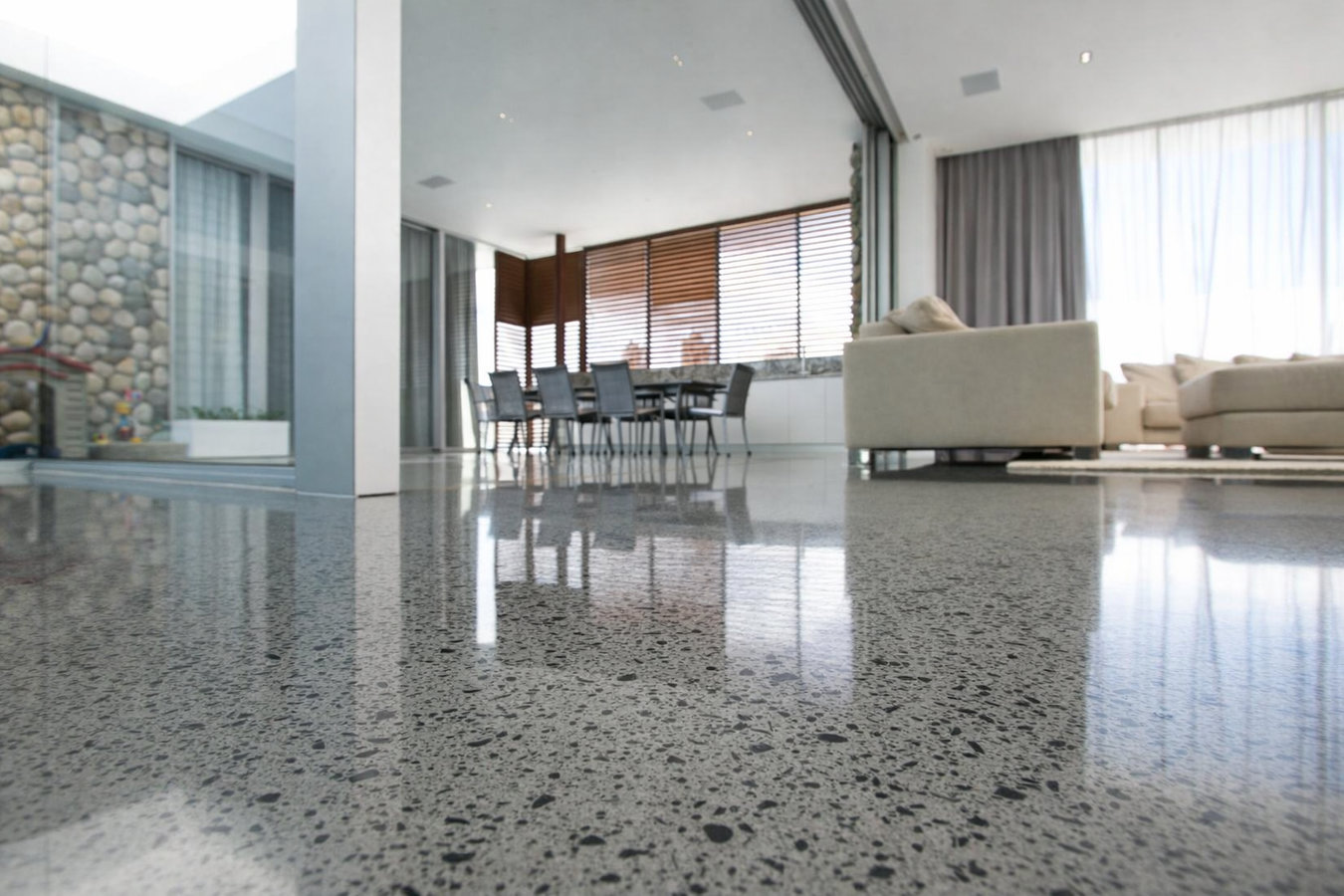
Surface finish is one of the decisions that shapes cost and timeline most significantly. A standard broom or trowel finish is practical and affordable. Polished, stained, or stamped concrete adds cost and time but produces a result that can look as finished as tile or hardwood at a fraction of the long-term maintenance. We carry photos of completed residential projects in the area and are happy to walk you through what each option looks like in practice.
For homeowners building new construction, adding a garage, or installing a floor in a space that has never had one.
Best when the existing concrete has cracked through, settled unevenly, or delaminated past the point where surface repair is practical.
Suited to garage slabs showing widespread cracking, surface deterioration, or the raised and lowered sections that signal base movement underneath.
For homeowners converting a garage to living space or finishing a basement - stained, polished, or stamped surfaces that look intentional rather than utilitarian.
Mill Valley is built into steep hillsides and connected by narrow winding roads. Getting a concrete truck close to many homes here is genuinely difficult, and sometimes impossible. When a truck cannot pull up to the pour site, we pump the concrete from the street - an added step that adds cost and requires planning, but is the only way to do the job right. Contractors who quote over the phone without visiting your property often miss this, and their bids change once they see the site. City of Mill Valley Building Division permits are required for most slab work, and we handle that process on your behalf.
Many Mill Valley homes were built in the 1950s through 1970s, and original slabs from that era are often at or near the end of their useful life. These slabs were typically poured thinner than current standards, often directly on soil that has since shifted. If your home is in that age range, there is a real chance the existing slab needs to come out entirely rather than being patched or resurfaced. An honest assessment upfront saves you from paying for a repair job that fails in two years.
We serve homeowners throughout southern Marin, including Larkspur, San Rafael, and Corte Madera. The soil conditions and access challenges across these communities are similar to Mill Valley, and we factor them in from the start.
We visit your property before giving a price - especially important in Mill Valley where terrain, access, and existing slab conditions vary widely. Expect a written estimate within a few days that breaks down exactly what is included.
If a permit is required - which it often is for new slabs and garage floors in Mill Valley - we submit the application on your behalf. Plan for one to three weeks of review. Your start date is confirmed once the permit is approved and the weather window is clear.
The crew removes any existing flooring, clears and grades the base, and sets forms. This preparation work is the most important part of the job. It is what determines whether your floor stays flat and crack-free for decades. Expect noise and dust.
Concrete is poured into the prepared forms, spread, leveled, and finished to the texture you need. You can walk on the surface within 24 to 48 hours. Vehicles and heavy loads stay off for at least a week. Full strength takes about 28 days.
We reply to all inquiries within one business day. If you reach out today, you will hear back tomorrow.
We visit your site before quoting - because in Mill Valley, access conditions and existing slab issues affect the price in ways a phone call cannot capture. No obligation, written estimate within days.
(628) 257-3534We carry an active California C-8 Concrete Contractor license and liability insurance on every project. You can verify the license on the CSLB website in about 30 seconds - and we recommend doing it for any contractor you hire.
We have installed concrete floors on hillside Mill Valley properties since 2022 and know how to get concrete to sites where a standard truck cannot pull up. Pump work, narrow road access, and clay soil prep are part of our standard process.
We handle the City of Mill Valley permit from application through final inspection. Your floor is on record with the city, which protects your home's value and documents the work was done to standard when it comes time to sell.
Many Mill Valley homes have original 1960s slabs that look fine on the surface but have real problems underneath. We tell you straight whether your floor can be repaired or needs replacement before you spend a dollar - not after the work has started.
Concrete floor installation in Mill Valley requires a contractor who understands clay soil behavior, hillside access, and the city permit process - not just how to pour concrete. We have been doing this work locally since 2022 and bring that specific knowledge to every project. Marin County Building and Safety Division standards apply to work throughout the county, and we stay current with permit and inspection requirements across all the communities we serve.
Focused specifically on garage slabs - including surface coatings and vehicle load planning that general floor installation does not always cover.
Learn moreWhen a floor replacement reveals structural base issues, slab foundation work may be the right next step before the new pour.
Learn moreMill Valley's dry season fills contractor calendars fast - get your estimate scheduled now so your project is ready to move when the weather cooperates. Call or submit a request today.