Loading...
Serving Mill Valley, CA and surrounding areas. (628) 257-3534
Your deck post is leaning, an inspector flagged your existing footings, or you are building something new and need a proper foundation under it. We install reinforced concrete footings for Mill Valley hillside properties, with permits, seismic steel, and inspections handled from start to finish.
Concrete footings in Mill Valley are reinforced underground bases that support decks, additions, retaining walls, and other structures - most residential footing jobs take two to four days of active work, though the City of Mill Valley permit process and required pre-pour inspection add two to four weeks to the overall timeline before the crew starts digging.
A footing is not just concrete in a hole. In Mill Valley, properly built footings account for clay soils that expand and contract with the wet-dry cycle, steep lots where bearing capacity changes across a single property, and California seismic requirements that mandate steel reinforcement and specific hardware to keep structures anchored during an earthquake. Skipping a permit here is not just a legal risk - it is a safety one. If your footing project is part of a larger foundation or structural upgrade, it connects closely to foundation installation, which we can scope together to keep excavation and mobilization costs down.
A well-built, properly permitted concrete footing on a stable Marin County site can last 50 years or more with no maintenance required. The underground location protects the concrete from UV, temperature swings, and physical wear. What matters most is that the depth, width, and steel placement were right from the start.
If a deck post is no longer vertical, or a gap is opening between the deck ledger and your house wall, the footing below may have shifted or settled. On Mill Valley's hillside lots, soil under sloped properties is under constant gravitational stress, and footing movement is more common than on flat ground. A leaning post is a safety issue, not a cosmetic one.
Horizontal cracks along a retaining wall, or sections bowing outward, often point to a footing that was not deep or wide enough to handle soil pressure. Marin County's clay-heavy soils expand significantly after the rainy season, and that pressure shows up in walls and structures above ground. New or widening cracks after a wet winter are worth having a concrete contractor evaluate.
If you are building a deck, room addition, pergola, or any structure attached to or near your home, you need new footings before anything goes up. This is required by code and is what keeps the structure safe. Starting the conversation with a contractor early gives you time to get permits in order before your target build date.
If a home inspection noted that footings are undersized, missing, or not up to current standards, that finding does not go away on its own. In a seismically active area like Mill Valley, undersized footings are a real liability. Addressing the issue before an earthquake or a heavy wet season is almost always less expensive than dealing with structural damage after the fact.
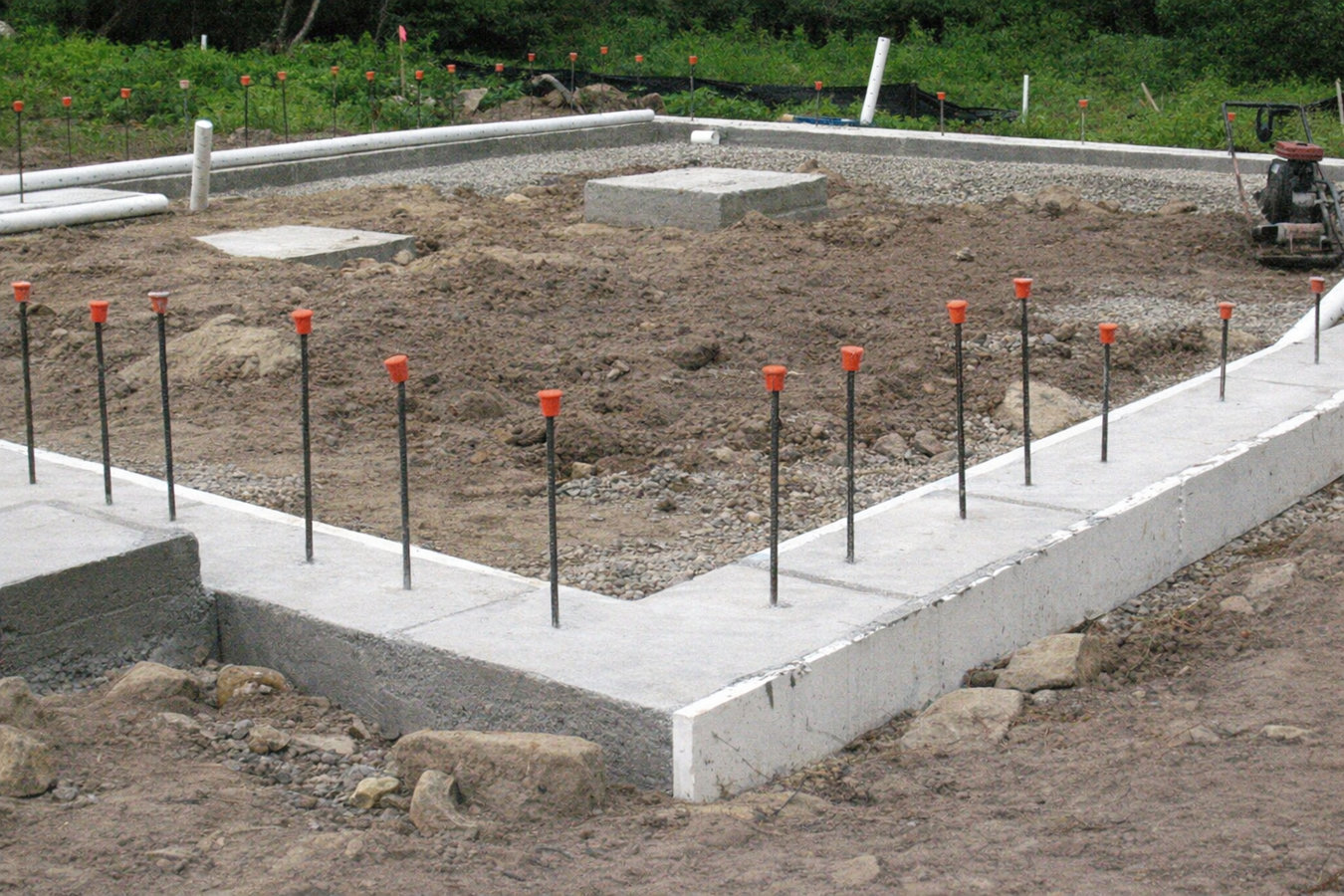
Footings come in several forms depending on what they are supporting. Deck footings are typically round concrete piers, dug to a depth determined by your soil and the structure above. Foundation footings for additions and ADUs are continuous concrete strips that run the perimeter of the structure. Retaining wall footings are sized for the soil pressure behind the wall, the wall height, and Marin County seismic requirements. We scope each project based on your specific lot and the structure you are building, not a standard template.
Every footing project we handle in Mill Valley goes through the full permit process. We submit the plans, schedule the pre-pour inspection, and arrange the final sign-off. The inspection before the pour is not optional - it is a required step that protects you by putting a city official on record verifying the work was done correctly before it is buried. If your project also involves structural work above the footings, it often pairs well with slab foundation building or foundation installation, which we can scope together to minimize disruption to your property. For seismic design context specific to Marin County, the California Geological Survey seismic hazard zone maps show exactly what designation applies to your neighborhood.
Bay Area footing jobs cost more than national guides suggest. Hillside access, soil conditions, and a mandatory pre-pour inspection all add time and labor. We give you an itemized written estimate before work begins so you know exactly what you are paying for, and any unexpected site condition that comes up during excavation is discussed with you before any additional work is done.
Best for homeowners building or replacing a deck, porch, or pergola that requires code-compliant concrete piers or pad footings.
Suited to room additions, garage conversions, or accessory dwelling units that require engineered continuous or spread footings.
For new or replacement retaining walls where the footing must be sized for soil pressure, seismic loading, and Marin County conditions.
For fence posts, masonry columns, or gate piers that need a properly sized concrete footing to stay plumb through wet winters.
Mill Valley sits in a high seismic hazard zone and is built on clay-heavy soils that swell and shrink with the wet-dry cycle. Both of these conditions directly affect how footings need to be designed, sized, and reinforced. A footing that would pass inspection in Sacramento or Phoenix may be inadequate on a Marin County hillside lot. The California Geological Survey maps every neighborhood in Mill Valley for seismic risk, and local building departments use that data when reviewing plans. The Marin County Community Development Agency provides permitting for properties in unincorporated areas near Mill Valley.
The rainy season here runs from November through March, and saturated clay soils make excavation harder and less predictable. Most experienced local contractors prefer to schedule footing work between April and October, when the ground is dry and conditions are stable. If your project is urgent in winter, ask specifically how the contractor plans to handle rain delays and protect fresh concrete in the critical first 24 hours.
We work on footing projects throughout the area, including properties in Sausalito, Tiburon, and San Rafael. The soil conditions, seismic requirements, and permit processes across Marin County are similar enough that experience on one hillside lot translates directly to the next.
We visit your property before giving a price. In Mill Valley, lot access, slope, and soil conditions vary so much from one street to the next that a phone estimate is rarely accurate. The site visit takes 30 to 60 minutes and is free.
After the site visit you receive an itemized written estimate. Once approved, we apply for the required building permit through the City of Mill Valley or Marin County. Permit review typically takes one to three weeks, and we manage the entire process on your behalf.
The crew digs to the required depth, builds temporary wooden forms, and places steel reinforcing bars inside the forms per the approved plan. Before the concrete is poured, a city or county inspector verifies the depth, steel placement, and form condition. This inspection is required and is your official quality check.
Once the inspection clears, concrete is poured, leveled, and finished. The footing cures for at least a week before light loading and up to 28 days for full strength. We arrange the final inspection with the building department and deliver the closed permit record when the job is done.
We visit your property before quoting. Estimates are itemized and written. We reply within one business day.
(628) 257-3534We hold a current California C-8 Concrete Contractor license and carry full liability insurance on every project. You can look up our license on the CSLB website in under a minute, and we encourage every customer to do it before signing anything.
We have been installing footings on steep, access-limited Mill Valley properties since 2022. We know the permit process, the inspectors' expectations, and the soil conditions that change what a proper footing looks like here versus anywhere else in California.
Every footing we install in Mill Valley includes the steel reinforcement and connection hardware California's seismic standards require for this region. It is not a upsell. It is what a properly permitted, inspected job in a high seismic zone actually delivers.
Every footing we install comes with a closed permit and a documented final inspection on record. In Mill Valley's real estate market, buyers and their inspectors look closely at permitted work. That paper trail protects your investment at resale.
Footing work in Mill Valley is more involved than most homeowners expect before they start getting quotes. Permit timing, seismic reinforcement requirements, clay soil conditions, and hillside access all affect what a properly built footing actually costs and how long it takes. We have navigated all of these factors on Marin County properties since 2022, and that experience shows up in estimates that hold and in finished work that passes inspection the first time.
Full foundation systems for new structures, additions, and ADUs on Marin County properties, with engineering coordination and permit management.
Learn moreMonolithic and post-tension slab foundations for new builds and conversions where a poured-in-place slab is the right structural solution.
Learn moreCall us now or submit an estimate request online. Permit approval takes time, and the spring and summer project calendar books early. The sooner you start, the sooner your structure has the foundation it needs.