Loading...
Serving Mill Valley, CA and surrounding areas. (628) 257-3534
Your floors slope, doors drag, and cracks keep showing up after wet winters. Mill Valley clay soils shift every season. We raise settled foundations, fix the drainage that caused it, and pull all required permits so the work is documented.
Foundation raising in Mill Valley pushes a sunken or tilted foundation back to its original position by injecting a lifting material beneath the slab or installing steel supports under the structure - most residential jobs take one to three days of active work and do not require major demolition or require you to leave your home.
Foundations sink in Mill Valley because the soil underneath them shifts. Marin County's clay-heavy soils expand when wet and shrink during dry summers, a cycle that gradually pushes and pulls at the concrete beneath your home. Over years, that seasonal movement adds up and the foundation loses its level footing. If you have been noticing the symptoms worsen after wet winters, the cause is almost always that soil cycle. Foundation raising addresses the visible settling, and when combined with drainage corrections, it addresses the cycle that caused it. This work often connects closely to foundation installation decisions if the existing foundation has deteriorated beyond a raise.
A well-executed raise leaves doors operating smoothly, floors feeling level, and gaps closed between walls and ceilings. The difference between good work and poor work is whether the contractor also addressed drainage and soil behavior. A foundation lifted without correcting the underlying moisture problem will settle again within a few years.
If doors that used to swing freely now drag on the floor or refuse to latch, your home's frame may be shifting with the foundation beneath it. This is one of the most reliable early signs of foundation movement. In older Mill Valley homes, it often shows up first in interior doors near the center of the house.
Diagonal cracks running from the corners of windows or door frames, especially ones wider at one end than the other, mean part of your home has dropped while another part stayed put. Small hairline cracks can be normal settling, but any crack wide enough to fit a coin deserves a professional look before the next rainy season.
Roll a marble across a room, and if it rolls consistently in one direction, your floor is not level. In Mill Valley homes on hillside lots, a slope that has gotten worse over time is a sign of ongoing foundation movement, not simply the character of an older house.
Mill Valley gets close to 50 inches of rain in a wet year, and the clay soils absorb that moisture and swell. If you notice gaps appearing at the top of your walls, or existing gaps growing wider after winter, the seasonal soil movement beneath your foundation is likely the cause. This pattern is worth watching year to year.
There are two primary lifting methods: polyurethane foam injection and mudjacking. Foam is lighter, cures faster, and adds minimal weight to the soil underneath, which matters on Mill Valley properties where clay soils are already under seasonal stress. Mudjacking uses a cement-based slurry and costs less upfront, but it is heavier and takes longer to set. The right choice depends on your specific foundation, soil conditions, and how accessible the work area is. We assess both options before recommending one.
For most Mill Valley jobs, we also evaluate drainage at the same time. The most common reason a raised foundation re-settles within a few years is that the underlying moisture problem was never corrected. If your gutters drain toward the foundation, if the soil grading slopes toward the house, or if you have clay soil with no drainage layer underneath, the lift alone will not last. Drainage corrections and moisture barriers are often the most cost-effective part of the entire scope. This work frequently connects to concrete footings repairs on properties where the footing perimeter has also moved.
If your Mill Valley home is a candidate for seismic retrofitting, and many older homes here are, we can scope the foundation raise and the seismic work together. When the crew is already accessing the foundation, adding anchor bolt installation or cripple wall bracing is far less disruptive and more cost-effective than two separate mobilizations. We coordinate both scopes and handle the permits for both under a single application where that is possible.
Suited to homeowners who need a faster cure and minimal added weight on clay soils that are already stressed.
A cost-effective option for larger slabs where added weight is not a concern and the underlying void is significant.
Best for Mill Valley properties where poor drainage is the root cause of the settling and needs to be addressed alongside the lift.
For older Mill Valley homes where the foundation raise and seismic reinforcement can be scoped and permitted together to reduce total disruption.
Mill Valley is built into the slopes of Mount Tamalpais, and a large portion of its homes sit on steep, terraced lots with clay-heavy soils that respond dramatically to seasonal rainfall. The city gets close to 50 inches of rain annually, most of it between November and April, and that moisture saturates the clay, causes it to swell, and then it shrinks again as summer dries everything out. Homes built during the 1920s through 1960s, which make up a significant share of the local housing stock, were built before current foundation standards and were never designed to withstand decades of this expansion-and-contraction cycle. Foundation movement is not a rare edge case here, it is one of the most common structural issues homeowners in this area face.
Seismic risk adds another layer. Mill Valley sits close to both the San Andreas and Hayward fault systems, and many older homes have foundations that are not well-connected to the structure above. Foundation raising is often done alongside seismic retrofitting in this area because the crew is already at the foundation and the permit scope can cover both at once. If your home is in one of the hillside neighborhoods of Mill Valley or nearby Tiburon or Sausalito and has an older foundation that has not been evaluated recently, the combination of soil movement and seismic exposure means it is worth a professional look before the next rainy season.
The California Geological Survey's expansive soil mapping documents the specific conditions that affect Marin County properties, and the City of Mill Valley Building Division requires permits for all structural foundation repairs. Working with a contractor who understands both the local soil conditions and the permit process is the single most important factor in getting work that lasts.
When you call, describe exactly what you are seeing: sticking doors, cracks, sloping floors, when it started. We will ask follow-up questions before ever setting foot on your property so we arrive already prepared for your specific situation.
We walk the affected areas, check the foundation from outside and from any crawl space access, and take measurements. You receive a written estimate that explains what we found and what we propose to fix, not just a number.
We apply for the building permit from the City of Mill Valley on your behalf before any work begins. We keep you updated on the timeline so you are never left wondering when the crew will arrive.
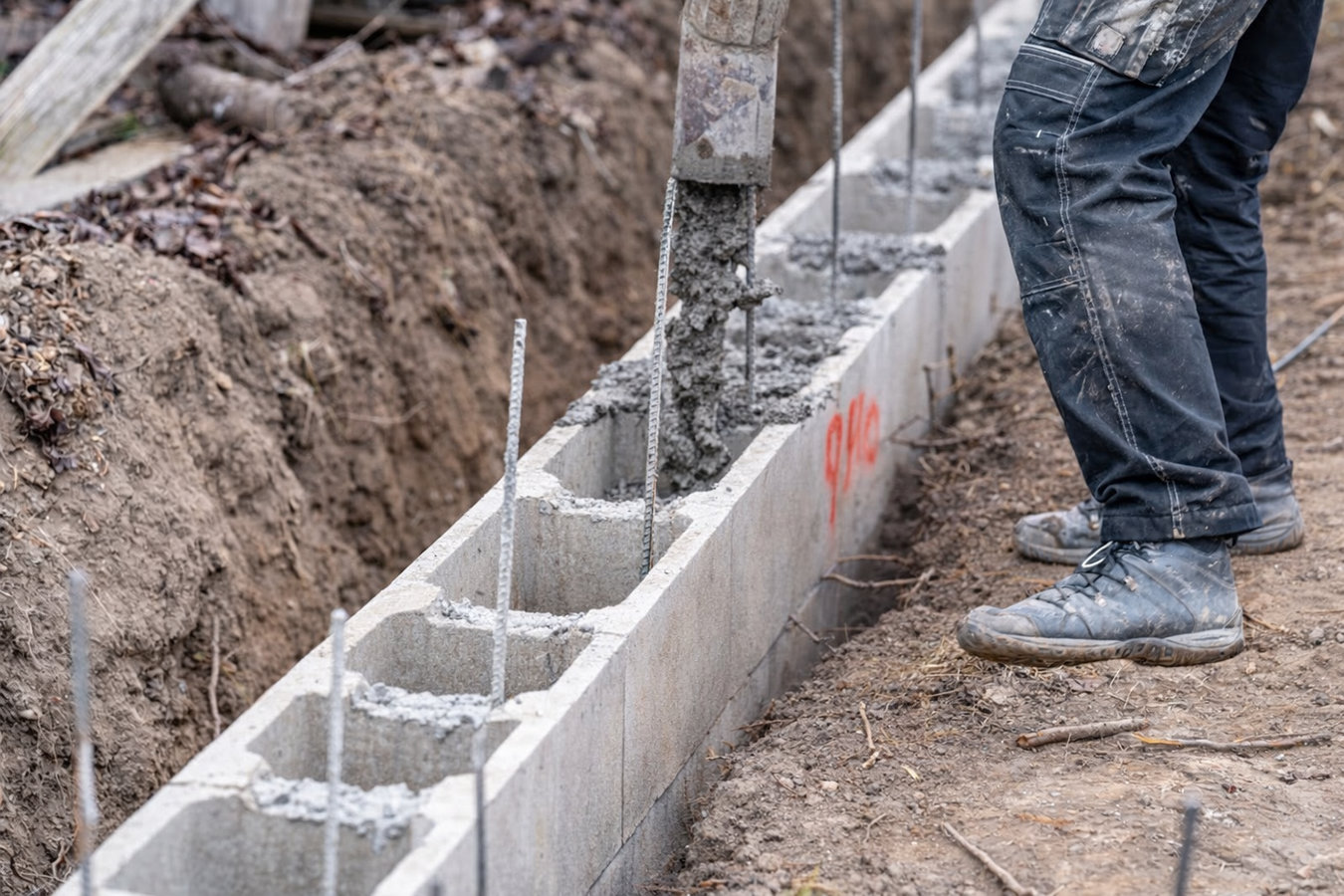
The crew drills small access holes, injects the lifting material in a controlled sequence, and patches the holes when the work is complete. A city inspector signs off on the finished work. We walk you through drainage maintenance steps before we leave.
We respond within one business day. No pressure, no obligation. We will walk the property, explain exactly what we find, and give you a written estimate you can compare.
(628) 257-3534We hold an active California C-8 Concrete Contractor license and carry full liability insurance on every job. You can verify our license on the CSLB website before you commit to anything.
We have pulled permits in the City of Mill Valley and across 12 service areas in Marin County and the broader Bay Area. We know the local building department's review process and give you a realistic timeline from day one.
Marin County's expansive clay soils require a different approach than flat suburban foundations. We assess your specific site conditions before proposing a lifting method, so the repair plan addresses the actual cause of the movement.
Every structural foundation job we complete comes with a city permit and inspection record. That documentation protects your investment and prevents foundation history from becoming a negotiating issue when you sell.
Every foundation raising job we take on in Mill Valley is permitted, inspected, and documented. We know the City of Mill Valley building department's process well enough to give you a realistic timeline from the first call, and we handle every step from permit application through final inspection. When you hire us, you do not have to figure out the permit process or worry about whether the work will hold up to city review.
When a foundation has deteriorated beyond a raise, we install a new foundation engineered for Mill Valley lot conditions and current seismic standards.
Learn morePerimeter and post footings that anchor structures to stable ground, sized and reinforced for Marin County seismic and clay-soil requirements.
Learn morePermit season in Marin County fills up fast. Call or request an estimate now and lock in your start date before the next rainy season arrives.