Loading...
Serving Mill Valley, CA and surrounding areas. (628) 257-3534
Your project needs a foundation built for steep hillside lots, expansive Marin clay soils, and Bay Area seismic requirements. We install residential foundations in Mill Valley with engineering coordination, City of Mill Valley permits, and full waterproofing included.
Foundation installation in Mill Valley covers the complete process from soil assessment and structural engineering through excavation, steel reinforcement, concrete pouring, waterproofing, and city inspection - most residential foundations take one to three weeks of active work, though the City of Mill Valley permit review adds several weeks of lead time before the crew can begin digging.
Mill Valley's hillside terrain, expansive clay soils, and proximity to active fault systems mean foundation installation here is more complex than a typical Bay Area job. Sloped lots require deeper footings on the downhill side, and the soil under many Mill Valley homes moves enough each season to stress a foundation that was not designed with local conditions in mind. This is also why waterproofing and drainage are not optional on any project in this area. If your project includes a concrete base at ground level, the work often overlaps with slab foundation building decisions about subgrade preparation and moisture control.
A well-installed foundation in Mill Valley should require minimal attention for decades if the drainage and waterproofing were done correctly. The most common failure points are inadequate waterproofing, skipped soil testing, and rushed permit processes that skip inspections. Getting a soil report before the design is finalized is the highest-value step a homeowner can take before any foundation contractor starts work.
If interior doors or windows that used to open and close smoothly have started sticking, jamming, or leaving visible gaps at corners, your home's frame may be shifting. This kind of movement often traces back to foundation settlement or soil movement - both common in Mill Valley's clay-heavy soils, which expand and contract with every wet and dry season.
Small hairline cracks in drywall are normal in any home, but diagonal cracks running from the corners of windows and doors, or stair-step cracks in block, are a warning sign. In Mill Valley, where soils expand and contract seasonally, these cracks can develop gradually and worsen each year if the underlying cause is not addressed.
Walk through your home and pay attention to whether the floor feels level underfoot. A floor that slopes toward one wall or where furniture tends to drift suggests the foundation has settled unevenly. This condition does not correct itself and typically requires professional evaluation before it worsens through another wet season.
Mill Valley's heavy winter rainfall and hillside runoff mean water finds its way under homes that are not properly drained and waterproofed. If you notice standing water, a musty smell, or visible moisture damage in your crawl space after a storm, your foundation's drainage system may be failing. Prolonged moisture exposure weakens both concrete and the wood structure above it.
Foundation type is not a one-size decision in Mill Valley. A raised foundation with a crawl space suits most hillside properties because it allows the floor height to follow the grade without requiring massive excavation, and it keeps access open for plumbing and wiring below. Slab-on-grade foundations are more common on flatter sites in lower Mill Valley and Tam Valley, where the ground is level enough for a direct pour. The right choice depends on your specific lot, what the soil report shows, and what the structure above it needs.
For new builds, we coordinate the full sequence from engineering drawings through the final city inspection. For full foundation replacements, we include demolition of the existing structure, removal of debris, and regrading before any new work begins. Waterproofing is built into every project - drainage systems, moisture barriers, and perimeter grading all go in before the soil is backfilled. When the scope includes structural elements at the base of the foundation, it often connects to slab foundation building or foundation raising, which we can scope together to reduce overall mobilization and permit costs.
California's seismic requirements for Marin County affect every foundation we design here. More steel reinforcement, anchor bolt placement connecting the foundation to the wood framing above, and engineering review are all part of the standard process in a permitted Mill Valley project. If a contractor quotes you without mentioning seismic requirements or engineering review, ask specifically whether those items are included.
Best for new home construction, major additions, or complete foundation replacements that require excavation and a full pour.
Suited to hillside lots in Mill Valley where a slab is impractical and access to plumbing and utilities below the floor is an ongoing need.
For flatter sites in Tam Valley and lower Mill Valley where the ground is relatively level and a direct pour is the most cost-effective approach.
For homes with existing foundations that have settled, cracked, or failed structurally and need full removal and replacement.
Mill Valley is built into the foothills of Mount Tamalpais, and the lot conditions here range from steep hillside terrain near the older neighborhoods above downtown to flatter valley-floor land near Highway 101. A foundation that would be straightforward on a flat suburban lot becomes significantly more involved when the grade drops several feet from the front of the structure to the back, equipment access is limited to a narrow driveway, or the soil report reveals expansive clay that needs specific engineering solutions. Contractors who have not worked on Marin County hillside properties frequently underestimate the setup time, the permit review period, and the soil complexity.
The communities surrounding Mill Valley face similar conditions. Properties in Sausalito and Tiburon share the same hillside terrain, seismic zone, and wet winter pattern that drives Mill Valley foundation requirements. Further north, San Rafael properties on hillside lots deal with the same Marin clay soil conditions and the same Marin County permit process. Our experience across these communities means we do not treat a Mill Valley hillside project like a flat East Bay job.
The California Geological Survey publishes seismic hazard zone maps that show exactly how close Mill Valley sits to active fault systems - information your structural engineer uses when designing your foundation. The Marin Builders Association is the local professional organization for contractors working in this area, and active membership signals a contractor who is accountable to local trade standards.
We schedule a site visit within a few days to look at your lot, your existing structure if applicable, and the scope of work. You receive a written estimate that breaks down excavation, materials, labor, and permit fees - we reply within one business day of your first contact.
Before any digging starts, a structural engineer produces drawings specific to your home and lot. Your contractor coordinates this process. Plan for several weeks of lead time while the City of Mill Valley reviews and approves the permit.
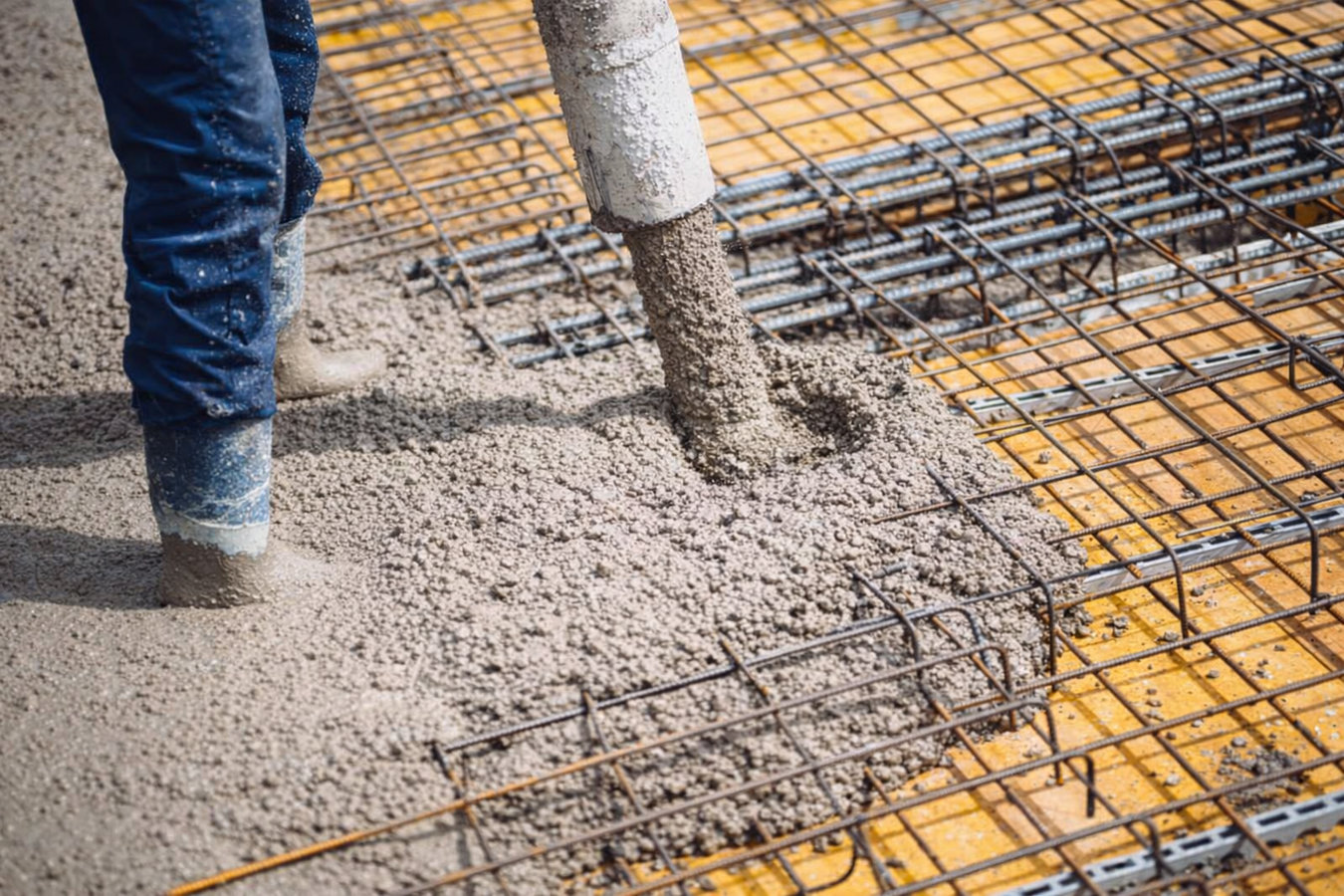
Once the permit is in hand, the crew excavates to the depth in the engineering drawings, builds forms, places steel reinforcing bars inside, and pours the concrete - often in a single day for a residential foundation, with a concrete truck on site.
After the pour the concrete cures, forms are removed, and a city inspector verifies the work. The exterior is then waterproofed and drainage materials installed before the soil is backfilled and graded away from the foundation.
Every Mill Valley lot is different. We come to your property, assess your specific site conditions, and give you a written breakdown with no pressure and no obligation.
(628) 257-3534We hold a California C-8 Concrete Contractor license with full liability insurance on every project. You can verify our license on the CSLB website before committing to anything - we encourage the check.
We have pulled building permits in Mill Valley and across 12 service areas in Marin County and the Bay Area. We know the local building department's expectations and can give you a realistic permit timeline from your first site visit.
Sloped lots in Mill Valley require engineering input before a foundation design is finalized. We coordinate with structural engineers as part of the project process so you are not managing that relationship separately.
Mill Valley's 50-inch annual rainfall and hillside runoff make foundation waterproofing non-negotiable. Drainage systems, moisture barriers, and perimeter grading go into every foundation we build - not as an add-on, as standard.
Foundation installation is the one part of a construction project you cannot go back and fix cheaply after the fact. Getting it right the first time - with proper engineering, permits, seismic reinforcement, and waterproofing - protects your home for decades and keeps its value intact when you sell. We have done this work in Mill Valley and across Marin County since 2022, and we give every homeowner a clear, honest picture of what their project requires before any commitment is made.
Slab-on-grade pours for new builds, ADUs, and replacement projects on Mill Valley lots with full permit and inspection support.
Learn moreLifting and releveling an existing foundation that has settled, sunk, or shifted on Marin County hillside and valley-floor properties.
Learn moreOur calendar fills quickly in the dry season - reach out now to hold your spot and get a written estimate before the spring booking rush begins.