Loading...
Serving Mill Valley, CA and surrounding areas. (628) 257-3534
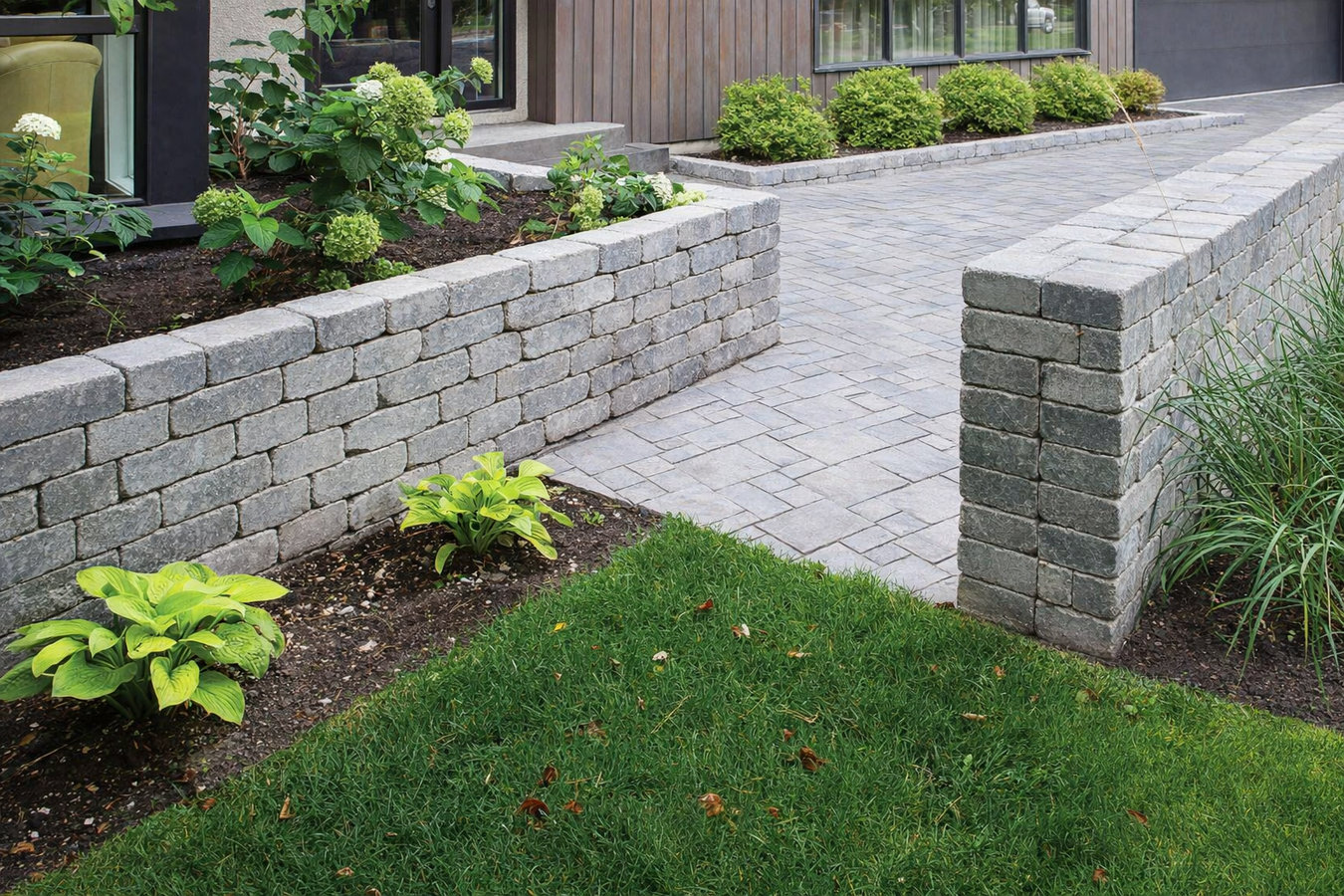
Your slope is losing soil every winter, your old wall is starting to lean, or water is running toward your foundation. We build concrete retaining walls designed for Mill Valley hillside lots, with proper drainage, reinforcement, and all permits handled.
Concrete retaining walls in Mill Valley hold back hillside soil pressure using reinforced concrete with steel rebar, gravel drainage backfill, and a footing sized for the load - most residential walls under four feet take two to four days of active construction, though the City of Mill Valley permit process adds four to eight weeks before the crew arrives.
On a hillside lot in Mill Valley, a retaining wall is not a garden border - it is a load-bearing structure holding back real slope pressure through wet winters and seismic movement. The Marin County terrain means expansive clay soils push harder against a wall when saturated, which is why drainage design matters as much as the concrete itself. If you also need to stabilize a structure on your property, the work often connects to foundation installation or concrete footings.
A properly built and drained concrete retaining wall in Mill Valley can last 40 to 60 years with minimal maintenance. The biggest threats to longevity here are poor drainage, tree roots growing into the base over time, and seismic movement. Annual visual checks for leaning, new cracks, or blocked drainage outlets are all most homeowners need to do.
If you notice the ground on a hillside portion of your property cracking, bulging, or shifting after a wet winter, the slope is under stress it cannot handle on its own. Mill Valley's steep terrain and expansive soils make this pattern common, and it tends to get worse each season if nothing is done. A retaining wall stops that cycle before it reaches your foundation or driveway.
If an older wall is tilting forward, developing wide cracks, or showing gaps where it meets the ground, it is losing the battle against soil pressure. Walls built more than 20 or 30 years ago in Mill Valley often predate current engineering standards and may lack adequate drainage or reinforcement. A leaning wall does not fix itself - it fails, usually during a heavy rain event.
If your garden beds are shrinking, your lawn is creeping downhill, or you add soil to the same spots after every winter, erosion is actively eating your property. A retaining wall creates a defined, stable edge that holds your yard in place. Many Mill Valley homeowners find a well-placed wall actually adds usable flat space to a previously sloped lot.
When a slope above your home lacks proper support, rainwater tends to run toward the lowest point - often your foundation or garage. If you notice water pooling against your house or soggy ground near the foundation after rain, a retaining wall with proper drainage uphill can redirect that water away from your home before it causes real damage.
Every retaining wall project starts with understanding your slope, your soil, and what you want the space to do when the wall is done. Some homeowners need a low garden wall that defines a planting bed. Others need an engineered structure holding back a hillside above a garage or driveway. We scope the work to the actual conditions on your lot, not a standard package.
Wall height determines a lot about how the project is designed and permitted. Walls under four feet are generally straightforward. Once you pass that threshold, the engineering behind the wall becomes more complex - the footing goes deeper, more steel goes inside, and the City of Mill Valley typically requires an engineer's stamp on the drawings. We coordinate all of that so you do not have to. If your project also involves grading below the wall or near a structure, it often overlaps with concrete footings or foundation installation, which we can scope together to minimize excavation and mobilization costs.
Drainage is built into every wall we construct. Gravel backfill and perforated drain pipe go in behind the wall as it rises, with outlets placed so water exits the wall system rather than building pressure behind it. This step is not optional on a Mill Valley hillside - it is what separates a wall that lasts from one that fails in the next wet winter.
Best for homeowners who need a new wall to hold back a hillside, create usable yard space, or protect a foundation from slope runoff.
Suited to properties with older walls that are leaning, cracking, or failing and cannot be repaired to a structurally sound condition.
For walls over four feet tall, walls above structures, or lots with seismic or landslide risk - full engineering coordination included.
For properties where water management is the primary concern - combines wall construction with gravel backfill, drain pipe, and outlet placement.
Mill Valley is built into the slopes of Mount Tamalpais, and a large share of its homes sit on lots with significant grade changes. Retaining walls here are not decorative features - they are structural elements holding back real hillside pressure. Marin County soils are largely clay-heavy, which means the ground swells when wet and shrinks when dry, putting ongoing stress on any structure buried in it. A wall designed for flat suburban soil will not perform the same way here. California Geological Survey landslide mapping identifies much of southern Marin as elevated risk, which is why the city requires engineered drawings for taller hillside walls.
Mill Valley receives most of its annual rainfall between November and March - typically 45 to 50 inches in a wet year. That concentrated wet season is when poorly supported slopes fail. Building a wall during the dry season - roughly April through October - is faster, easier, and less risky. The ground is more stable, concrete cures better, and you will have the wall in place before the next rains arrive. If you are seeing signs of soil movement now, the best time to start the permit process is spring, not fall.
We work on hillside properties throughout southern Marin, including Sausalito, Tiburon, and Corte Madera. The terrain and permit requirements are similar across these communities, and our crews understand the access and drainage conditions common to all of them.
We visit your property in person before giving a price - walking the slope, checking soil conditions, and assessing access for equipment and materials. Expect a written estimate within a few days.
For most walls over three feet in Mill Valley, we submit the permit application on your behalf. If an engineer's stamp is required, we coordinate that too. Plan for four to eight weeks of city review.
We excavate the base, set the footing, install steel reinforcement, pour the concrete, and place drainage gravel and pipe behind the wall as it rises. Active construction takes two to four days for a standard residential wall.
Fresh concrete cures for five to seven days before we backfill soil against it. If a permit was required, a city inspector checks the work before the wall is covered. We finish with final grading and a walkthrough.
We reply to all inquiries within one business day. If you send us a message today, you will hear back tomorrow - not next week.
Phone estimates on Mill Valley hillside lots are never accurate. We visit your property, walk the slope, and give you a written number you can plan around - no obligation.
(628) 257-3534We carry a California C-8 Concrete Contractor license and full liability insurance on every project. You can verify our license on the CSLB website in under a minute - we encourage it.
We have built retaining walls on steep, access-limited Mill Valley lots since 2022 and have navigated the city's permit process many times. We know what the building department reviewers look for.
Every wall we build includes gravel backfill and perforated drain pipe sized for Mill Valley's wet winters. Expansive clay soils here make drainage the difference between a wall that lasts and one that does not.
We walk your property before quoting. Phone estimates on hillside lots miss the details that drive real cost - access constraints, soil conditions, and root proximity all affect the final number.
The combination of local permit experience, hillside access know-how, and drainage-first construction is what makes the difference on a Mill Valley retaining wall project. We have been building walls on these lots since 2022, and we know what the terrain and the city require. American Concrete Institute standards guide how we design reinforcement and drainage on every wall we build.
When a retaining wall sits adjacent to a structure, foundation work is often part of the same project scope.
Learn moreFootings anchor fences, posts, and structures at the base of a slope - frequently paired with retaining wall work.
Learn moreMill Valley's permit process takes time - the sooner you start, the sooner your slope is protected before the rains return. Call us today or submit a free estimate request.